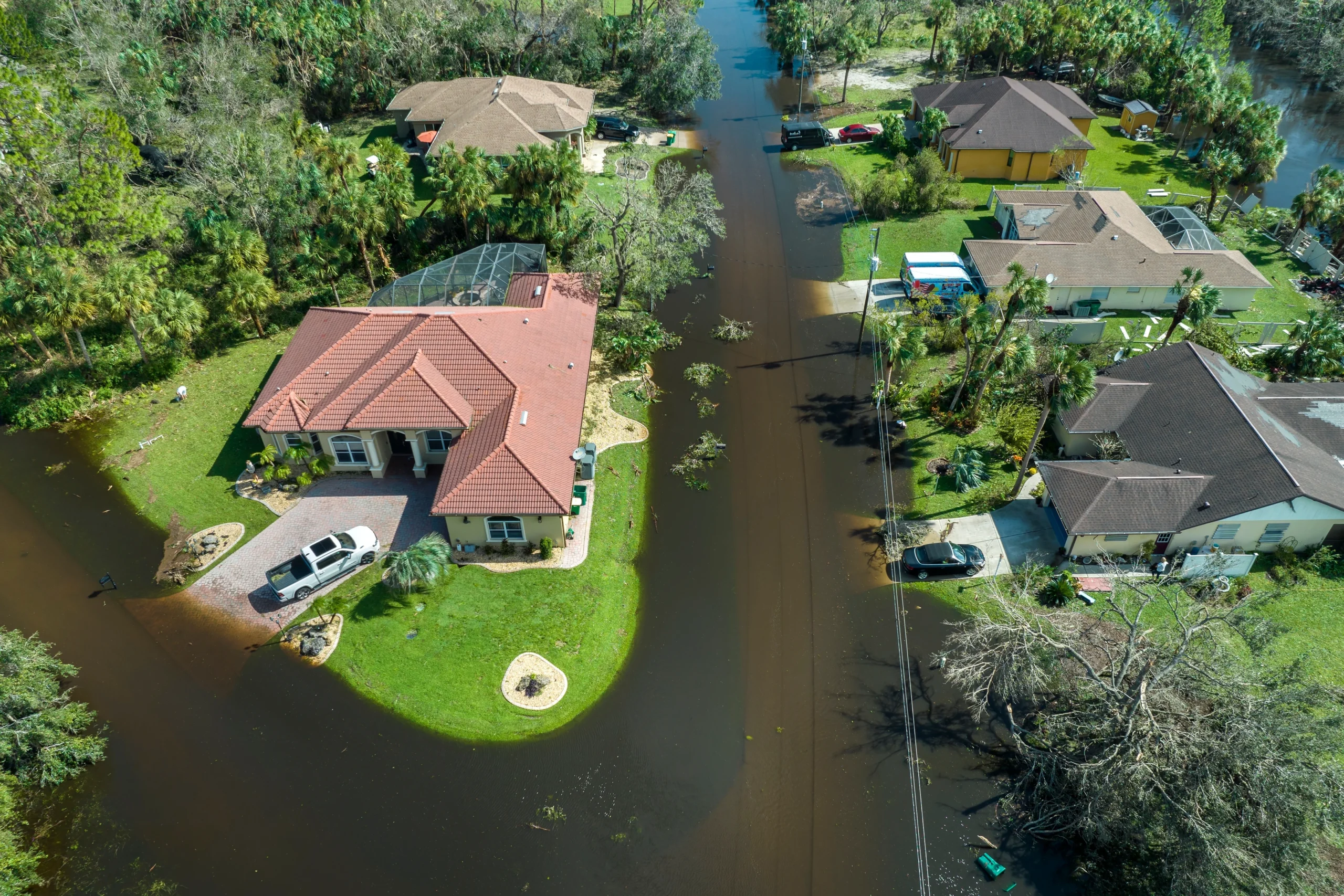
Florida is surrounded by water, and that proximity can bring more than beautiful beaches and waterfront views. Heavy rainfall, tropical storms, hurricanes, storm surge, and rising water levels can create flood risks for homeowners, renters, and businesses across the state. Even properties outside traditionally recognized high-risk areas may face unexpected flooding.
For Florida residents, understanding these risks is an important part of preparing for severe weather and protecting a home or business. Flood Insurance may provide a dedicated source of financial protection for certain types of flood-related damage, depending on the policy and circumstances. Riley Webb Insurance can help Florida property owners explore available options and consider an approach that fits their needs.
Why Is Flooding Such A Significant Risk In Florida?
Florida’s geography contributes to a wide range of flood exposures. Coastal communities may face storm surge and tidal flooding, while inland areas can experience heavy rainfall, overflowing waterways, and drainage issues. Low-lying properties may also have unique concerns based on elevation and surrounding terrain.
Hurricanes and tropical storms can intensify these risks by bringing substantial rainfall and strong winds that may contribute to flooding. Development and changes in drainage patterns can also affect how quickly water moves through an area.
Because flood conditions can vary significantly from one property to another, homeowners and business owners may benefit from considering their individual location rather than relying solely on general assumptions about flood risk. Understanding the potential exposure can make it easier to have an informed conversation about Flood Insurance.
Does Standard Property Insurance Cover Flood Damage?
One of the most important questions Florida property owners can ask is how their existing insurance may respond to flooding. Standard homeowners or commercial property policies often treat flood damage differently from other types of water-related losses. As a result, a property owner may need a separate Flood Insurance policy to consider certain flood-related exposures.
The definition of flooding, policy exclusions, covered causes of loss, limits, deductibles, and other terms can vary between policies. Water entering a property can result from several different circumstances, and those circumstances may be treated differently under an insurance contract.
Reviewing an existing policy with an insurance professional can provide useful context. Riley Webb Insurance can help clients examine their current arrangements and identify questions about whether additional Flood Insurance may be appropriate for their Florida property.
Who Should Consider Flood Insurance In Florida?
Flood Insurance may be worth considering for a broad range of Florida property owners, not only those located directly along the coast. Homeowners, condominium owners, renters, landlords, and business owners can all have different reasons for evaluating flood protection.
Some properties may be located in designated flood zones, while others may have less obvious exposure. Mortgage requirements can also influence whether a property owner needs to carry certain insurance, depending on the property’s location and financing arrangements.
Factors that may be useful to consider include:
- The property’s location and elevation
- Proximity to rivers, lakes, canals, or coastal areas
- Previous flooding in the surrounding community
- The construction and use of the property
- Mortgage or lender requirements
- The potential financial impact of flood-related damage
A conversation with an insurance professional can help put these factors into perspective.
What Can Flood Insurance Potentially Help Address?
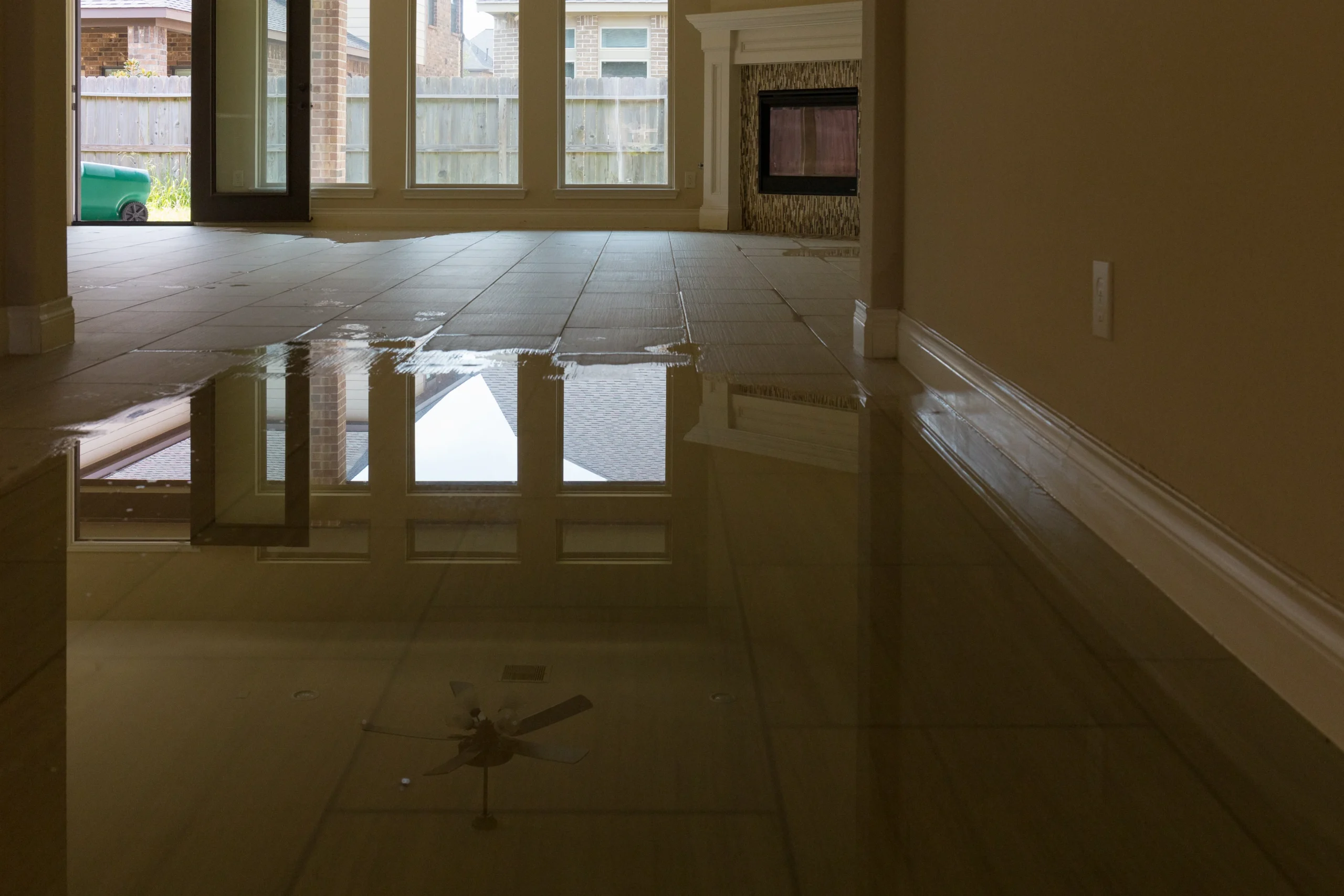
Flood Insurance is designed specifically around flood-related risks, although the protection available depends on the policy selected and its terms. Depending on the policy, coverage may include certain aspects of a building and its contents when qualifying flood damage occurs.
For homeowners, this may involve considerations related to the structure of the residence and eligible belongings. Business owners may have different concerns involving buildings, equipment, inventory, furnishings, or other property. Renters may also want to explore options for personal belongings.
Because policies can differ, property owners should review specific limits, deductibles, exclusions, waiting periods, and eligibility requirements before selecting a policy. Riley Webb Insurance can help Florida clients understand these details and compare available options based on their circumstances.
How Can Florida Property Owners Prepare For Flood Risks?
Insurance is only one part of preparing for potential flooding. Property owners can also take practical steps to reduce disruption and make recovery more manageable.
Keeping important documents in a secure location, identifying valuable belongings, maintaining drainage systems, and understanding evacuation procedures can all contribute to better preparedness. Some homeowners may also consider improvements such as flood-resistant materials, elevated equipment, or other measures appropriate for their property.
It can also be useful to review insurance before storm season rather than waiting until severe weather is approaching. Flood Insurance policies may have specific waiting periods or eligibility conditions, so last-minute planning may not always provide the flexibility a property owner expects.
Regular policy reviews can also help account for renovations, new equipment, changes in property use, or other developments that could affect insurance needs.
What Factors Can Influence The Cost Of Flood Insurance?
Flood Insurance premiums can vary based on several characteristics of the property and the policy. Location is one consideration, but it is not necessarily the only factor. Building characteristics, elevation, flood risk information, coverage limits, deductibles, and other underwriting details may influence the price.
The cost of potential flood damage is another important consideration. A policy may involve an upfront premium, while an uninsured flood loss could create significant expenses depending on the circumstances.
Rather than focusing only on the lowest premium, property owners may want to consider how the policy’s limits, deductibles, exclusions, and other terms relate to their individual situation. An insurance professional can explain available options and help identify potential tradeoffs.
How Can Riley Webb Insurance Help With Flood Insurance?
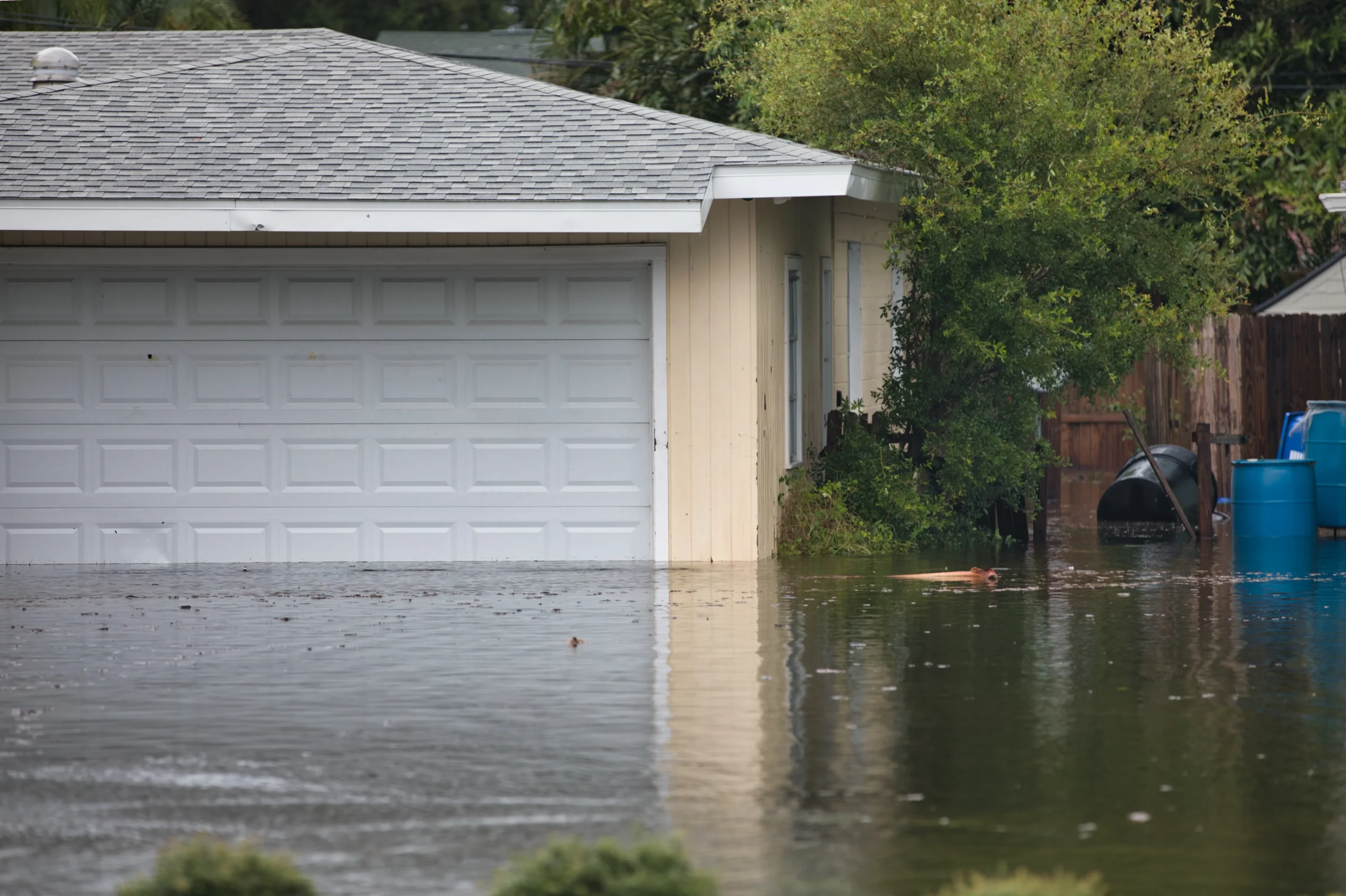
Choosing insurance for a Florida property can involve more than selecting a policy based on location alone. Each property has its own characteristics, and flood exposure can vary even between nearby homes and businesses.
Riley Webb Insurance can work with Florida clients to discuss their concerns, review available Flood Insurance options, and explain important policy considerations in straightforward terms. Whether you are purchasing a new property, reviewing an existing insurance program, or preparing for another storm season, having a conversation early can make it easier to understand your options.
Flood risks may change over time, but proactive planning can help property owners make informed decisions about how they want to address those risks. Contact Riley Webb Insurance today to discuss Flood Insurance options for your Florida home, rental property, or business.